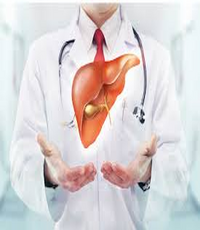
The liver is one of the most important organs in the human body. It performs hundreds of essential functions, including detoxification, support for digestion, metabolism, and nutrient storage. Despite its importance, liver health is often overlooked until symptoms become noticeable. Many liver conditions develop silently and progress over time, making early awareness and timely consultation crucial. For individuals considering a liver specialist in Delhi, understanding early warning signs can help ensure timely medical attention and better long-term outcomes.
What is the Importance of Liver Health?
The liver plays a vital role in maintaining overall health by filtering toxins, producing bile for digestion, regulating blood sugar, and storing essential vitamins and minerals. When liver function is affected, several body systems may be impacted. Liver conditions can develop due to infections, lifestyle habits, metabolic disorders, or prolonged medication use. Because the liver can compensate for damage for a long time, symptoms may not appear early, making awareness and preventive care important.
Why Early Consultation Matters?
Consulting a liver specialist at the right time helps identify potential problems before complications develop. Early diagnosis often allows doctors to manage conditions more effectively and prevent progression. Ignoring symptoms or delaying medical advice can lead to advanced liver disease, which may require more complex treatment and long-term care. People with risk factors such as obesity, diabetes, high cholesterol, excessive alcohol intake, or a family history of liver disease should remain particularly attentive to liver health.
Common Warning Signs You Should Not Ignore
Liver conditions may begin with subtle symptoms that gradually become more noticeable. Paying attention to these changes can help individuals seek timely medical evaluation.
- Persistent Fatigue and Weakness: Feeling tired despite adequate rest may indicate that the liver is struggling to perform its metabolic functions efficiently.
- Loss of Appetite and Unexplained Weight Changes: Reduced appetite or sudden, unexplained weight loss can be an early indicator of liver dysfunction.
- Discomfort in the Upper Right Abdomen: Pain or a feeling of heaviness in the upper right abdomen may indicate inflammation or enlargement of the liver.
- Yellowing of the Skin Or Eyes (Jaundice): This occurs when bilirubin builds up in the bloodstream, often indicating reduced liver function.
- Dark Urine and Pale Stools: Changes in urine or stool colour can suggest issues with bile production and flow.
- Swelling in the Abdomen or Legs: Fluid accumulation may occur when the liver cannot regulate fluids effectively.
- Frequent Nausea or Digestive Discomfort: The liver plays a role in digestion, so ongoing digestive issues may be linked to liver health.
If any of these symptoms persist, consulting a liver specialist in Delhi can help determine the cause and guide further care.
Lifestyle Factors That Increase Liver Risk
Certain lifestyle habits can significantly influence liver health. Being aware of these risk factors can help individuals take preventive action.
- High Alcohol Consumption: Excessive alcohol intake is a major contributor to liver damage over time.
- Poor Dietary Habits: Diets high in processed foods, sugar, and unhealthy fats may contribute to fatty liver disease.
- Sedentary Lifestyle: A lack of physical activity can increase the risk of metabolic conditions affecting the liver.
- Uncontrolled Diabetes or Obesity: Metabolic disorders are closely linked to non-alcoholic fatty liver disease.
- Long-Term Medication Use: Some medications may affect liver function when taken for extended periods.
People exposed to these risk factors should consider periodic liver health evaluations.
When Routine Tests Suggest a Problem
In some cases, liver issues are discovered during routine blood tests. Abnormal liver enzyme levels may indicate inflammation or damage even before symptoms appear. Doctors may recommend additional tests, such as imaging or specialised liver function assessments, to better understand the condition. Consulting a specialist after abnormal test results helps ensure timely evaluation and appropriate follow-up.
Who Should Consider Preventive Consultation?
Some individuals may benefit from proactive liver health screening based on specific risk factors.
- Metabolic Conditions: People living with diabetes, high cholesterol, obesity, or metabolic syndrome may require regular monitoring.
- Family History: A history of liver disease in close relatives can increase the need for early screening.
- Infection Risk: Individuals exposed to hepatitis risk factors may need timely evaluation.
- Alcohol Use: Regular alcohol consumption can affect liver health over time.
- Long-Term Medication Use: Certain medicines may impact liver function and require monitoring.
Preventive consultation supports early detection and personalised lifestyle guidance.
Role of a Liver Specialist
A liver specialist evaluates and manages conditions affecting liver function through a structured and personalised approach. The consultation typically includes reviewing medical history, performing a physical examination, and recommending blood tests or imaging when required. Guidance on lifestyle and dietary changes may also be provided to support liver health. Ongoing monitoring and long-term care planning help track progress, identify underlying causes, and create a treatment or management plan suited to the patient’s needs.
Conclusion
The liver works continuously to support the body, often without drawing attention to itself. However, subtle symptoms and lifestyle risk factors should never be ignored. Seeking timely medical advice when warning signs appear can make a meaningful difference in long-term health. For anyone experiencing persistent symptoms or risk factors, consulting a liver specialist in Delhi can be an important step toward protecting liver health and ensuring early, appropriate care.