
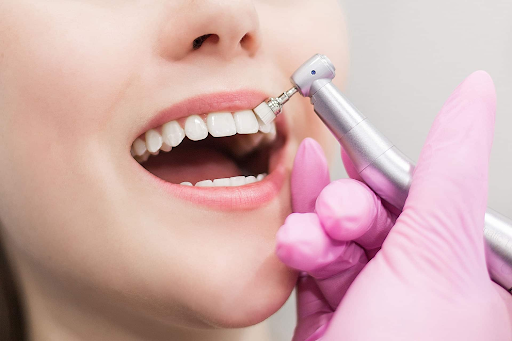
A beautiful smile begins with healthy teeth and gums. While properly aligned teeth can improve appearance and bite function, maintaining good oral hygiene is equally important. Everyday habits such as brushing and flossing help protect teeth, but professional dental care is also necessary to remove stubborn plaque, identify potential problems and maintain long-term oral health.
For people exploring teeth cleaning Singapore, understanding the importance of professional cleaning is a useful first step. Regular dental visits can help prevent common oral health concerns and keep the teeth and gums in good condition. This is especially important for individuals undergoing orthodontic treatment, as braces can make daily cleaning more challenging.
Why Is Professional Dental Cleaning Important?
Even with regular brushing, plaque can accumulate in areas that are difficult to reach. Plaque is a sticky film of bacteria that forms on tooth surfaces. If it is not removed effectively, it can harden into tartar, which cannot be eliminated through ordinary brushing.
Professional cleaning helps remove plaque and tartar from the teeth, including areas around the gumline. It may also help reduce surface stains caused by certain foods and drinks.
Regular teeth cleaning Singapore appointments can support oral health by helping to:
- Reduce plaque and tartar build-up.
- Lower the risk of gum inflammation.
- Identify early signs of dental problems.
- Maintain cleaner tooth surfaces.
- Support fresh breath and better oral hygiene.
The recommended frequency of professional cleaning depends on individual oral health. Some people may need more frequent visits because of gum concerns, orthodontic appliances or a history of tartar accumulation. A dental professional can suggest a suitable schedule.
What Happens During a Professional Cleaning Appointment?
A routine dental cleaning usually begins with an examination of the teeth and gums. The dental professional checks for plaque, tartar, gum inflammation and other visible concerns.
Scaling is commonly performed to remove hardened deposits from tooth surfaces and around the gumline. Depending on the patient’s needs, polishing may follow to help remove certain surface stains and leave the teeth feeling smooth.
The appointment may also include advice on brushing techniques, flossing and other daily oral care practices. If the dental professional notices signs of decay or gum disease, further examination or treatment may be recommended.
People searching for teeth cleaning Singapore should remember that professional cleaning is preventive care. It does not replace treatment for existing cavities, advanced gum disease or other dental conditions.
Why Oral Hygiene Matters During Orthodontic Treatment
Braces help move teeth into better positions through controlled pressure. However, brackets, wires and other orthodontic components create additional surfaces where food particles and plaque can collect.
Without careful cleaning, plaque may build up around brackets and near the gumline. This can increase the risk of swollen gums, tooth decay and white marks on the enamel.
Good hygiene is therefore an essential part of braces treatment. Patients should follow their orthodontist’s instructions and maintain a consistent cleaning routine throughout the process.
Helpful habits include:
- Brush after meals whenever possible.
- Use a fluoride toothpaste recommended by your dental professional.
- Clean carefully around brackets and wires.
- Use interdental brushes to reach difficult areas.
- Floss with suitable orthodontic flossing tools.
- Attend routine dental check-ups and professional cleaning appointments.
Taking a few extra minutes each day can help protect the teeth while orthodontic appliances are in place.
How Does Braces Treatment Work?
Orthodontic appliances are designed to guide teeth gradually into more suitable positions. Traditional fixed braces use brackets attached to the teeth and an archwire that applies controlled pressure.
During braces treatment, the orthodontist monitors tooth movement through scheduled appointments. Adjustments may be made to the appliance as the teeth respond to treatment.
The duration varies from one person to another. Factors such as the severity of crowding, bite alignment, age and individual response to treatment can influence the timeline.
Some patients may be suitable for ceramic braces or clear aligners, depending on their clinical needs. An orthodontic consultation helps determine the most appropriate option.
Can You Get Professional Cleaning While Wearing Braces?
Yes. Professional dental cleaning can be an important part of maintaining oral health during orthodontic care. However, cleaning around fixed braces requires attention because brackets and wires can make certain areas harder to access.
The dental professional may use appropriate instruments and techniques to clean around orthodontic components. Patients should inform the clinic about their braces before the appointment so the team can plan the cleaning appropriately.
Regular cleaning is particularly useful for monitoring gum health and removing deposits that may be difficult to manage at home.
Combining professional cleaning with consistent daily care can help reduce preventable dental problems throughout braces treatment.
Common Oral Hygiene Mistakes to Avoid
Even patients who brush regularly can overlook areas that need extra attention. Avoiding a few common mistakes can make a meaningful difference.
Brushing too quickly: Spending insufficient time brushing may leave plaque around brackets, along the gumline and between teeth.
Ignoring the gumline: Plaque accumulation near the gums can contribute to inflammation and bleeding.
Skipping interdental cleaning: A toothbrush alone may not reach the spaces between teeth or around orthodontic wires.
Eating too many sugary snacks: Frequent exposure to sugar can increase the risk of tooth decay, particularly when oral hygiene is inadequate.
Missing dental appointments: Regular check-ups help identify problems early and allow dental professionals to monitor oral health.
Patients should also avoid using excessive force when brushing. A soft-bristled toothbrush and gentle technique are generally recommended unless a dental professional advises otherwise.
Foods and Habits That Support Healthy Teeth
Diet plays an important role in oral health. A balanced diet with vegetables, fruits, protein sources and calcium-rich foods can support overall health and normal dental development.
People wearing braces should be particularly careful with hard, sticky and chewy foods, as these may damage brackets or wires. Cutting firmer foods into smaller pieces can make eating easier.
Drinking water regularly helps maintain moisture in the mouth and can wash away some food particles. Limiting sugary drinks and frequent snacking can also help reduce the risk of decay.
These habits complement professional teeth cleaning Singapore services and daily brushing routines.
Why Follow-Up Care Should Continue After Braces
Completing orthodontic treatment is an important achievement, but oral care remains essential afterwards. Once braces are removed, the teeth may need professional cleaning to address any remaining plaque or deposits.
The orthodontist may also recommend retainers to help maintain the new tooth positions. Patients should follow instructions about retainer use and continue regular dental examinations.
Good hygiene after treatment helps protect the results and supports healthy gums and teeth over time. Patients should not assume that straight teeth automatically mean a healthy mouth.
Conclusion
A healthy smile requires a combination of preventive dental care, consistent hygiene habits and appropriate orthodontic guidance. Professional cleaning helps remove plaque and tartar, while orthodontic care can improve tooth alignment and bite function.
For patients considering teeth cleaning Singapore services or planning braces treatment, regular dental assessments can help establish the right approach for their individual needs. Bracesaurus encourages patients to make oral health a priority throughout their orthodontic journey, helping them work towards a cleaner, healthier and more confident smile.