
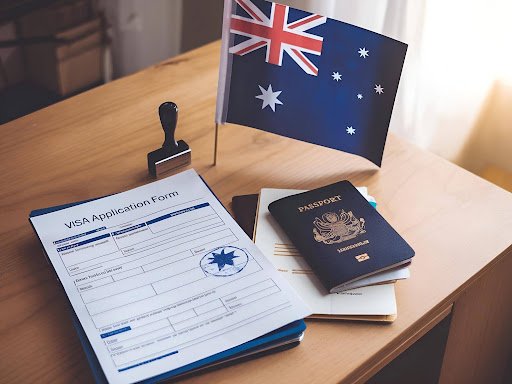
Planning a trip to New Zealand often begins with pictures of dramatic mountains, peaceful lakes, green countryside, and lively cities. Yet before booking flights or preparing an itinerary, travellers need to understand the visa process and the documents required for their intended visit. Completing the New Zealand visa application form accurately is an important part of this preparation, as the information provided helps immigration authorities assess the purpose of travel, personal circumstances, and eligibility. A well-organised application can make the process clearer and reduce avoidable delays caused by missing or inconsistent details.
Applicants should also review the visa requirements before gathering their paperwork. Financial evidence, passport details, and travel plans should support the information entered in the application. Taking time to check these details helps travellers prepare a more complete submission and plan their journey with greater confidence.
Understanding The Purpose of Your Visit
Every successful visa application starts with a clear explanation of why you want to travel. Some visitors plan a holiday, while others intend to visit relatives, meet friends, or explore the country during a short break from work. Your reason for travelling determines which visa category may suit your circumstances.
A visitor visa generally covers tourism and certain short-term visits, subject to the conditions attached to the visa. It does not automatically permit employment or every type of study. Travellers should therefore check the conditions of the relevant visa before making commitments.
A clear travel purpose also helps you organise supporting documents. For example, someone visiting family may need information about their host, while a tourist may prepare an itinerary and accommodation details. The documents should support the actual purpose of the journey rather than present a plan that does not reflect the intended visit.
Checking Eligibility Before Applying
Before starting an application, travellers should establish whether they need a visitor visa or qualify for another entry arrangement. Requirements can differ according to nationality, passport type, travel purpose, and individual circumstances.
Some travellers may be eligible to travel using a New Zealand Electronic Travel Authority (NZeTA) instead of applying for a visitor visa. However, eligibility for an NZETA does not apply to everyone, and the rules should be checked using official immigration information.
Passport validity is another essential consideration. Applicants should confirm that their passport meets New Zealand’s entry requirements for the planned trip. They should also check whether their nationality or circumstances create additional documentation requirements. Taking time to confirm eligibility before preparing paperwork helps prevent confusion and avoids spending time on an application route that may not be appropriate. Reviewing the New Zealand visitor visa requirements early can help travellers identify the correct entry option and prepare the necessary documents.
Preparing Documents That Support Your Case
The New Zealand visitor visa requirements involve more than completing an online form. Applicants generally need to provide evidence of identity, financial ability, genuine travel intentions, and plans to leave New Zealand when their authorised stay ends. The exact documents depend on the applicant’s circumstances and the visa category.
A valid passport and an acceptable photograph are important starting points. Applicants may also need bank statements, employment records, accommodation details, travel plans, or documents explaining their family connections. If a relative or another eligible person will sponsor the visit, additional sponsorship evidence may be necessary.
Every document should serve a clear purpose. A bank statement, for example, helps demonstrate available funds, while an employment letter may help explain the applicant’s professional circumstances and reasons for returning home. Preparing these records in advance makes it easier to identify missing information before submission.
Demonstrating Financial Readiness
Travellers need to show that they can meet their expenses during their stay. Accommodation, meals, local transport, sightseeing, and unexpected costs can add up quickly, particularly during a longer visit.
Immigration New Zealand generally requires visitor visa applicants to demonstrate sufficient available funds or acceptable sponsorship. Its published guidance specifies NZ$1,000 per month for maintenance and accommodation, or NZ$400 per month when accommodation has been prepaid, subject to the applicable rules. Applicants should verify the current requirements for their particular circumstances before relying on these figures.
Understanding the New Zealand visitor visa requirements can help travellers prepare suitable financial evidence and demonstrate how they intend to cover their expenses throughout the visit. Financial documents should tell a consistent story. Applicants should be ready to explain who is paying for the trip, where the money comes from, and whether the funds will remain available throughout the visit. Where a sponsor is involved, the supporting records should clearly establish the arrangement.
Explaining Your Travel Plans Clearly
A practical itinerary helps connect the purpose of travel with the intended length of stay. Someone planning a two-week holiday might describe the cities they expect to visit, the activities they wish to enjoy, and their accommodation arrangements.
Plans do not need to be unnecessarily elaborate. Instead, they should be realistic and consistent with the applicant’s available funds, travel dates, and stated purpose. If visiting relatives, applicants can explain the relationship and the intended arrangements for the visit.
Applicants should also provide evidence that they can leave New Zealand at the end of their stay. Depending on their circumstances, this may include a return or onward ticket, funds to purchase one, or acceptable sponsorship for travel costs.
Conclusion
A New Zealand visit becomes easier to organise when visa preparation is treated as part of the travel plan rather than a last-minute task. Confirming eligibility, collecting the right documents, checking financial arrangements, and reviewing every application detail can help travellers approach the process with greater confidence.
For those who need help organising paperwork or understanding application procedures, Schengen Visa Consultancy Limited can provide guidance throughout the preparation process. Applicants should still verify the latest rules through official New Zealand immigration channels and ensure that their application reflects their individual circumstances.
Ultimately, good preparation begins with reliable information and honest documentation. By giving the visa process the same attention as flights, accommodation, and sightseeing plans, travellers can prepare more effectively for their time in New Zealand. Reviewing the New Zealand visitor visa requirements before submission can also help applicants identify missing documents and address potential issues early.