
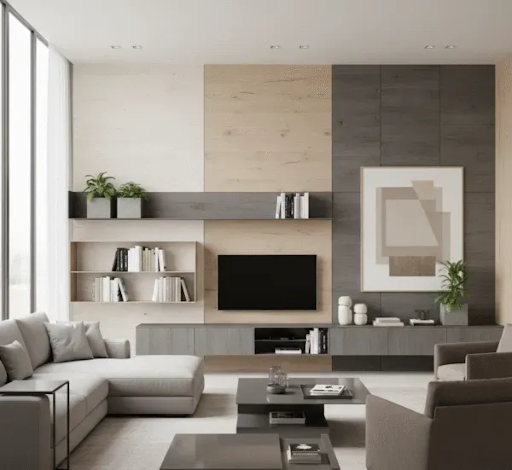
A furniture design may begin with a sketch, but its final character often depends on the surface that brings the idea to life. A wardrobe can look understated with a matte finish, a reception counter can make a strong impression with a stone-inspired pattern, and kitchen cabinets can create warmth through woodgrain textures. Selecting the right material requires a balance between appearance, functionality, and budget. Working with a reliable laminates supplier can help homeowners, designers, and furniture manufacturers compare suitable options and make decisions that support the needs of each project.
Start With The Purpose of The Surface
Before exploring colours and patterns, identify where the laminate will be used. A bedroom wardrobe has different requirements from a retail counter or an office workstation. Some surfaces experience frequent handling, while others are chosen mainly for their contribution to the overall interior design.
Consider the amount of daily use, cleaning frequency, possible exposure to moisture, and likelihood of scratches. These factors help narrow the available choices and prevent an attractive finish from becoming an unsuitable selection.
A clear understanding of the application also makes product comparisons more useful. Instead of choosing a design first and checking its suitability later, buyers can shortlist materials that meet their practical requirements from the beginning.
Understand What Makes HPL Different
High-pressure laminate, commonly called HPL, is produced by bonding layers of paper impregnated with resins under controlled heat and pressure. The decorative layer provides the visible pattern, while the manufacturing process contributes to the sheet’s physical properties.
Depending on its grade and specifications, HPL may offer resistance to scratches, stains, and everyday wear. These characteristics make it useful for furniture, cabinets, wall applications, and other interior surfaces when the product is correctly selected and installed.
However, performance varies between products. Thickness, finish, substrate compatibility, and intended use should all be considered before purchase. Buyers should also distinguish standard decorative laminates from compact laminate panels, which have different construction and installation requirements. Consulting a reliable laminates supplier can help clarify these differences and identify suitable products for specific applications.
Match Colours With The Surrounding Space
A laminate rarely exists in isolation. Its appearance interacts with flooring, wall paint, lighting, furniture hardware, and other decorative elements. A colour that looks subtle in a catalogue may appear brighter under strong lighting or darker in a room with limited natural light.
For this reason, sample testing is an important part of the selection process. Place samples beside the materials already planned for the space and observe them at different times of day. This makes it easier to identify combinations that look balanced under actual conditions.
Wood-inspired finishes can introduce warmth, while neutral shades may support a clean, understated interior. Patterned and stone-inspired surfaces can add visual interest to selected areas without requiring every element in the room to compete for attention.
Evaluate Quality Beyond The Catalogue
Product photographs provide a useful starting point, but they cannot establish every detail of quality. Before approving a laminate, review its technical specifications, dimensions, thickness, surface characteristics, and intended application.
A dependable Virgo laminate company should be assessed through the product information and support available to buyers, rather than branding alone. Relevant test reports, certifications, and installation instructions can help clarify whether a material meets the requirements of a particular project.
For furniture manufacturers and contractors, consistency is especially important. When multiple panels or furniture units need the same finish, checking batch availability and confirming specifications in advance can reduce the risk of visible differences. Physical samples are also helpful when making final design approvals.
Explore Texture Beyond Visual Appeal
Colour is only one part of a laminate’s character. Surface texture can influence how a finished cabinet, panel, or countertop looks and feels. Smooth finishes may suit restrained designs, whereas textured surfaces can create a more pronounced material effect.
Glossy surfaces reflect light and can make certain colours appear more vivid. Matte finishes offer a softer appearance, while textured woodgrain designs can help reinforce a natural visual theme. Each option has its own cleaning and maintenance considerations.
When comparing finishes, examine both appearance and practicality. Fingerprints, dust, and routine handling may be more noticeable on some surfaces than others. Selecting a texture according to the space’s use helps create an appropriate balance between design preferences and maintenance expectations.
Make Online Product Research More Effective
Digital catalogues have changed how buyers explore decorative surfaces. Instead of beginning every search with an in-person visit, customers can review designs, compare product descriptions, and shortlist options before contacting a supplier.
A laminates supplier online may provide product galleries, technical information, and details about available finishes. These resources help buyers organise their preferences and identify materials worth examining more closely.
Before ordering, confirm availability, delivery timelines, payment terms, and return policies. Where possible, request physical samples and clarify how damaged goods or incorrect deliveries are handled. These checks can make remote purchasing more predictable.
Maintain The Finish Through Everyday Care
Routine maintenance helps preserve the appearance of laminate surfaces. For many products, a soft cloth and mild cleaning solution are suitable for everyday cleaning, although the manufacturer’s instructions should always take priority.
Spills should be wiped away promptly, especially around joints and exposed edges. Abrasive cleaners, harsh chemicals, and unsuitable scouring pads may damage certain finishes. Hot cookware and sharp objects should also be kept away from surfaces that are not designed to withstand such contact.
Good maintenance begins with understanding the material’s limitations. No decorative finish is immune to every form of damage, so appropriate use and regular care are essential for keeping furniture and panels presentable.
Conclusion
Choosing decorative surfaces is a practical design decision that affects the appearance, usability, and upkeep of an interior. By assessing the application, comparing samples, reviewing technical details, and planning installation carefully, buyers can approach the process with greater confidence.
For homeowners, designers, fabricators, and contractors exploring decorative surface options, Virgo Laminates offers a range worth considering when evaluating finishes for different interior projects. A thoughtful selection can help connect the original design concept with the practical demands of everyday use.