
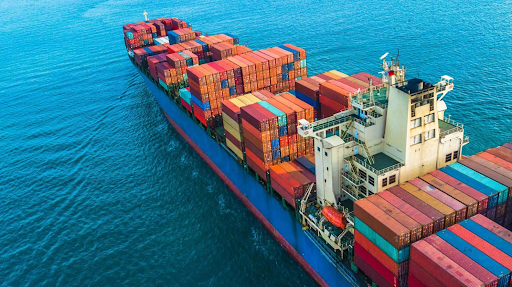
Moving cargo across ports, warehouses, and international destinations requires careful coordination at every stage. Ocean freight forwarding helps businesses organize large-volume shipments by connecting transportation, documentation, customs procedures, and cargo handling into a structured process. From full containers to shared cargo, a coordinated approach can simplify complex shipping requirements and support smoother movement across domestic and global supply chains.
Connecting Multiple Shipping Requirements
Businesses often work with different suppliers, customers, ports, warehouses, and destinations. Managing each part separately can create delays and communication gaps. A coordinated freight solution brings these activities together, helping businesses plan cargo movement from origin to destination with greater consistency.
For international shipments, ocean transportation can support the movement of large cargo volumes over long distances. For domestic requirements, connected logistics services can help coordinate cargo movement between ports, warehouses, distribution points, and final destinations. This flexibility is useful for companies managing regular as well as project-based shipments.
Managing FCL and LCL Cargo
Cargo requirements can vary significantly from one shipment to another. Full Container Load, or FCL, is suitable when a business has enough cargo to use an entire container. Less than Container Load, or LCL, allows multiple shipments to share container space when a full container is not required.
Understanding these options helps businesses select an appropriate transportation method according to cargo volume, schedule, destination, and logistical requirements. Freight carrier companies can support this process by coordinating container movement and ensuring shipments are handled according to planned transportation arrangements.
Supporting Documentation and Customs
International cargo movement involves documentation that must be prepared and coordinated carefully. Bills of lading, invoices, certificates of origin, licenses, and other required documents can form an important part of the shipping process.
Customs clearance is another essential stage. Proper coordination of documentation, customs assessment, duties, and cargo release can help reduce avoidable disruptions. When freight transportation and customs support are managed together, businesses can maintain smoother movement across international trade routes.
Improving Cargo Visibility and Coordination
Shipment visibility is increasingly important for businesses that depend on predictable supply chains. Tracking capabilities can help companies understand where cargo is during transit and coordinate receiving activities more effectively.
A coordinated logistics provider can also connect transportation with warehousing and distribution requirements. This creates a more integrated flow, allowing businesses to manage temporary storage, cargo movement, and onward delivery as connected activities rather than isolated tasks.
Supporting Complex Cargo Movement
Some businesses require more than standard container transportation. Project cargo, chartering, ISO container transportation, feeder services, and distribution can require additional planning and coordination. Managing these requirements through an integrated logistics approach can help businesses organize specialized cargo movements according to their operational needs.
This approach also helps businesses coordinate recurring shipments and changing cargo requirements.
Conclusion
Effective ocean freight forwarding can help businesses organize domestic and global cargo through coordinated transportation, documentation, customs clearance, warehousing, and distribution support. By selecting suitable shipment methods and maintaining visibility across the logistics process, companies can improve coordination and manage cargo movement with greater structure and efficiency.
For dependable cargo movement and integrated logistics support across multiple transportation modes, AVR Logistics supports businesses with integrated freight and supply chain solutions, including sea, air, rail, and road transportation, warehousing, customs clearance, ISO container transportation, project cargo, chartering, feeder services, and distribution. Its coordinated approach helps businesses manage domestic and international cargo requirements with greater visibility, flexibility, and efficiency across routes.