
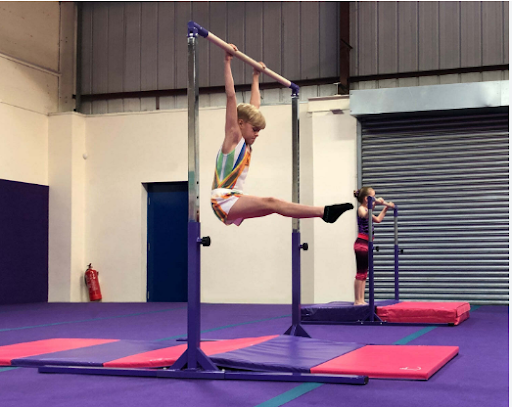
A practice environment should not suit only the athlete a coach sees today. It should support beginners as they learn basic shapes, developing gymnasts as they connect skills and experienced athletes as they refine control. Growth becomes easier when the space, coaching process and resources can change without making each stage feel like a different system.
- Build stations with several levels
A fixed station can quickly become too easy for one athlete and too demanding for another. Coaches can instead plan a base activity and several ways to adjust it. Height, distance, speed, support and landing conditions are all variables that can be changed while keeping the same learning goal. Using gymnastics equipment in this way helps one station serve athletes at different stages without turning the session into separate programmes.
- Make progress visible
Athletes often notice the final skill but overlook the smaller improvements that make it possible. A practice environment can reinforce progress by giving each drill a clear purpose. Coaches might explain that one activity develops body tension, another controls the landing and another introduces the timing needed later. When athletes understand these links, an easier progression feels meaningful rather than like a step backwards.
- Protect room for repetition
Development depends on quality practice, which requires enough space and time to repeat a task. Overloading the floor with stations can reduce useful repetitions if athletes spend too long waiting or moving around obstacles. A simpler layout may produce more learning when each group has a clear working area. The best arrangement is not necessarily the one with the most items on the floor; it is the one that supports steady, focused practice.
- Let the setup change with the session
Different goals call for different layouts. A technical session may need short, repeatable stations, while a routine-focused session may need longer uninterrupted pathways. Portable gymnastics equipment can support these changes when staff have a consistent method for moving, checking and storing it. Planning the transition between activities is important too, because a flexible room loses its advantage if every change creates a long interruption.
- Keep challenge connected to control
Progress should increase demand without removing the athlete’s ability to perform the key action correctly. If a gymnast can complete a drill only by rushing, losing position or relying on an unsafe habit, the step may be too large. Coaches can reduce one variable and then rebuild it gradually. This approach keeps confidence tied to repeatable technique instead of occasional success.
- Review resources against the programme
As athletes advance, coaches may discover that some stations no longer offer enough variation or that certain resources are used far more than expected. Regular review helps a facility decide whether its current gymnastics equipment still fits the programme. The question is not simply whether an item is available, but whether it supports the progressions coaches now need to teach.
A growing athlete should be able to recognise familiar learning principles even as the skills become harder. When stations can scale, feedback can evolve and the floor can adapt, progress feels like a continuous path rather than a series of abrupt jumps. That consistency gives coaches more ways to challenge each gymnast while keeping the practice environment understandable and purposeful.
The same principle applies to session planning. A coach does not need to redesign the room every week to create progress. Often, one purposeful adjustment is enough. Changing a target or removing support can create a new demand while preserving the athlete’s understanding. That balance between familiarity and challenge allows the environment to grow without becoming confusing.


