
Meditation often depends on an environment that encourages attention, calmness, and mindful awareness. Objects used during practice can connect everyday life with cultural traditions and create meaningful sensory cues. Traditional Himalayan crafts bring together skilled workmanship, symbolic designs, and meditation tools such as singing bowls, Tingsha bells, and prayer flags. Their sounds, textures, and visual details can help create a dedicated atmosphere for mindful practice.
Beyond their practical use, these handcrafted objects can introduce practitioners to the cultural heritage and traditional techniques of Himalayan communities. Understanding how these crafts are created and used can make meditation spaces feel more intentional while encouraging greater appreciation for craftsmanship, tradition, and mindful living.
The Role of Craftsmanship in Meditation Spaces
A meditation space does not need to be elaborate. A cushion, quiet corner, or small table may be enough. However, thoughtfully selected handcrafted objects can give the space a recognizable purpose. Handmade Himalayan products can reflect cultural heritage, artisan skill, and traditional techniques, making craftsmanship part of the experience rather than simply an aesthetic feature.
A handcrafted singing bowl, for example, can become a regular cue for beginning a session. Its sound creates a transition between everyday activity and intentional practice. Similarly, prayer flags or handmade decorative pieces can visually distinguish a meditation area from the rest of a room.
Singing Bowls as Sound-Based Meditation Tools
Tibetan singing bowls are among the most recognizable Himalayan meditation products. Traditionally, these bowls are created using hand-hammering techniques passed down through generations. Craftsmen work carefully while shaping and refining the metal, making the production process an important part of their cultural and artistic character.
For meditation, a singing bowl can provide an audible point of attention. A practitioner can strike it gently, listen to the tone, and follow its gradual fading. Instead of trying to eliminate every thought, the practitioner can return attention to the sound whenever the mind becomes distracted. This can support concentration and create a consistent opening or closing ritual.
The handcrafted nature of a bowl means individual pieces can have variations in appearance and sound. Hammer marks, texture, shape, and finish may reflect the making process. Choosing an object with visible craftsmanship can create a meaningful connection with a meditation routine while encouraging greater appreciation for the traditional skills behind the instrument.
Tingsha Bells and Mindful Transitions
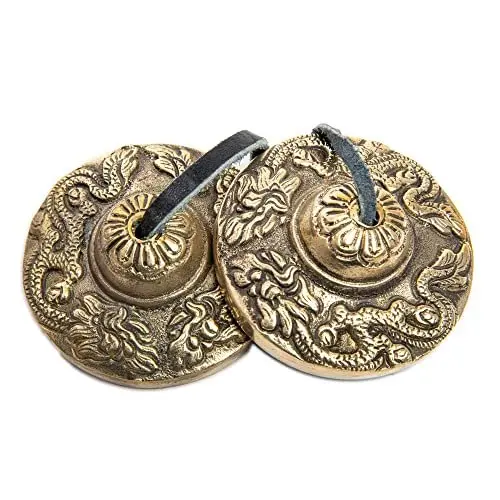
Small cymbals known as Tingsha bells are another traditional tool associated with meditation and spiritual practice. They are played by bringing the two metal discs together, producing a clear, sustained tone. These instruments are traditionally connected with Tibetan Buddhist rituals and are now commonly used in meditation, yoga, and mindfulness settings.
The tingsha bells origin provides useful cultural context for understanding why these instruments are more than decorative objects. Their traditional use connects sound with ritual, attention, and transitions. In a modern meditation routine, a Tingsha can signal the beginning, mark a transition, or indicate the end of a session.
Because the sound is distinct, it can serve as a simple mindfulness cue. When heard, practitioners can pause, notice their surroundings, and bring attention back to the present moment. This approach requires little preparation.
Craftsmanship and Cultural Continuity
The value of handmade meditation objects extends beyond practical use. Traditional techniques preserve knowledge passed through generations, while hand tools, natural materials, cultural designs, and artisan skills give each product visible evidence of human workmanship. Artisan led Himalayan craftsmanship supports cultural continuity by helping preserve distinctive methods, patterns, materials, and forms associated with Himalayan communities.
For consumers, learning who made an object, where it originated, and why its design matters can encourage more mindful purchasing. This awareness can complement meditation by extending mindfulness beyond quiet sitting into everyday choices and appreciation of traditions. Selecting a handmade meditation tool can therefore become an intentional decision, helping users value the cultural knowledge, patience, precision, and skilled workmanship represented by each handcrafted object.
Handmade Objects and Mindful Attention
One clear connection between traditional craftsmanship and meditation is attention to detail. Handmade products require repeated actions, patience, precision, and familiarity with materials. The finished object can remind users of qualities that meditation encourages.
When examining a handcrafted bowl, a person may notice its surface, weight, markings, tone, and shape. Observing these details can become a mindfulness exercise. The same principle applies to other Himalayan products.
Handmade products do not automatically improve meditation. Practice depends on the individual, method, and consistency. Instead, handcrafted objects can provide sensory cues and associations that help establish a regular routine.
Choosing Himalayan Crafts for Meditation
When selecting an item, consider its intended use first. A singing bowl may suit someone who wants an audible meditation cue, while Tingsha bells can work well for marking transitions. Prayer flags or handcrafted décor may be more appropriate for creating a visually distinct practice area.
Quality and authenticity are worth considering. Look for information about materials, production methods, artisan origins, and intended use. Clear descriptions help buyers understand what they are purchasing and avoid treating cultural objects as generic accessories.
For meditation centers, yoga studios, and wellness spaces, consistency can matter. Matching handcrafted instruments and complementary décor can create a cohesive environment while supporting a recognizable practice routine.
Conclusion
Meditation can become more meaningful when the environment encourages attention and respect for tradition. traditional Himalayan crafts offer sound tools, visual reminders, and connections to generations of skilled workmanship. Singing bowls can anchor attention through sound, Tingsha bells can mark transitions, and prayer flags can create visual cues for practice. Understanding craftsmanship and cultural context adds awareness. When selected thoughtfully and used respectfully, these objects can support a meditation setting that feels intentional, calm, and connected to Himalayan heritage.
For authentic Himalayan products, explore thoughtfully crafted items made by skilled artisans. Himalayan Bazaar offers handmade Nepalese and Tibetan products for meditation, yoga, mindfulness, and spiritual spaces. Its collection includes Tibetan singing bowls, Tingsha bells, prayer flags, meditation accessories, and handcrafted décor. Customers can explore artisan-made products, while yoga studios, wellness centers, and spiritual retailers can access wholesale options, international shipping, and carefully sourced Himalayan craftsmanship for their needs.


