
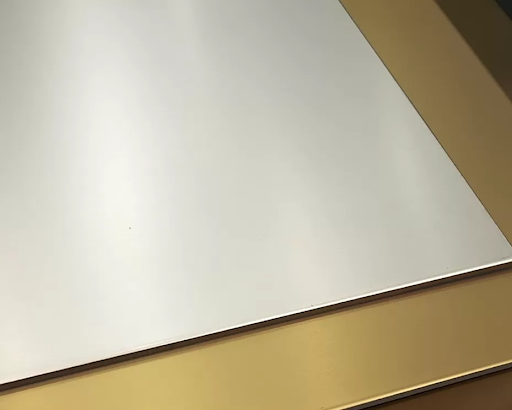
Modern industries depend on materials that can withstand constant stress, environmental exposure, and long operational cycles without compromising performance. Surface engineering plays a major role in improving the behavior of aluminium under such demanding conditions. Glossy anodized aluminum is widely used in industrial applications because it offers both a refined appearance and a strong protective layer. Its durability, corrosion resistance, and smooth finish make it suitable for machinery, construction systems, and precision engineering components where reliability is essential. These properties also help reduce maintenance needs and improve long-term operational stability in complex industrial environments where consistency is critical for performance and safety.
Importance of Surface Finishing in Industrial Applications
Surface finishing is essential for improving aluminium performance in environments where components face continuous stress, friction, and exposure to external elements. It ensures durability, efficiency, and long service life across industrial systems.
- Protection Against Environmental Damage
Surface finishing creates a protective layer that shields aluminium from moisture, chemicals, and oxidation. This prevents early degradation and helps maintain structural stability even in harsh operating conditions over long durations. - Improved Operational Efficiency
Smooth surfaces reduce friction between moving parts, allowing machinery to function more efficiently. This reduces heat buildup, improves energy flow, and supports smoother mechanical performance across systems. - Enhanced Product Consistency
Uniform finishing ensures that all aluminium components meet strict dimensional and quality standards. This consistency is critical in large-scale manufacturing where precise fitment and repeatable performance are required.
Enhanced Corrosion Resistance and Durability
Surface-treated aluminium provides significantly higher resistance to corrosion and mechanical wear, making it suitable for long-term industrial applications in demanding environments.
- Long-Lasting Protective Barrier
The treated surface forms a strong protective layer that prevents oxidation and chemical attack. This helps preserve both structural integrity and surface appearance over time. - Reduced Maintenance Requirements
Durable surface protection reduces the frequency of repairs and replacements, lowering operational costs and improving long-term efficiency in industrial systems. - Stability Under Harsh Conditions
Even under temperature fluctuations, humidity, and chemical exposure, aluminium maintains its mechanical strength without deformation or weakening.
Role of Advanced Surface Engineering Techniques
Modern surface engineering techniques enhance aluminium performance by improving its physical, chemical, and mechanical properties. These methods ensure precision and reliability in industrial applications.
- Controlled Finishing Precision
Advanced processes allow manufacturers to control coating thickness and surface texture with high accuracy. This ensures uniform quality and consistent performance across all components. - Improved Bonding Capability
Surface treatment enhances adhesion for protective coatings and paints, increasing durability and extending the life of finished components. - Strength Enhancement
Improved surface structure increases resistance to mechanical stress and wear, making aluminium suitable for heavy-duty industrial use.
Application of Glossy Finishes in Industrial Design
A refined aluminium finish improves both functionality and appearance, making it suitable for industrial applications where cleanliness, durability, and design matter equally.
- Easy Maintenance and Cleaning
Smooth surfaces prevent dust accumulation, making cleaning easier and improving operational hygiene in industrial environments where cleanliness is essential. - Improved Thermal Behavior
Reflective surfaces help distribute heat more evenly, supporting stable thermal performance in machinery and electronic systems. - Professional Appearance
Glossy finishes enhance visual appeal, making aluminium suitable for architectural structures, visible machine parts, and high-end industrial designs.
Aluminium Anodizing for Performance Enhancement
Surface treatment processes play a crucial role in enhancing the durability, strength, and resistance of aluminium used in industrial environments. Aluminium anodizing is one such process that significantly improves surface performance and long-term reliability under demanding conditions.
- Strong Oxide Layer Formation
The anodizing process creates a durable oxide layer that protects aluminium from corrosion, wear, and environmental exposure. - Increased Surface Hardness
This process strengthens the surface, making it more resistant to scratches, friction, and mechanical damage in demanding applications. - Better Coating Compatibility
The treated surface allows improved adhesion for paints and coatings, enabling better customization and longer-lasting protection.
Industrial Efficiency Through Improved Material Performance
High-quality surface finishing contributes significantly to improved industrial efficiency by enhancing durability, reducing maintenance, and ensuring consistent operation.
- Reduced Energy Consumption
Lower friction between components improves mechanical efficiency, resulting in reduced energy usage across industrial systems. - Minimized Downtime
Durable components require fewer repairs, ensuring continuous production and minimizing operational interruptions. - Enhanced Productivity
Reliable aluminium performance supports smoother workflows and faster industrial output, improving overall productivity levels.
Sustainability and Long-Term Benefits
Surface-treated aluminium supports sustainable industrial development by improving lifespan, reducing waste, and enhancing material efficiency.
- Extended Service Life
Improved durability reduces the need for frequent replacements, conserving raw materials and improving resource efficiency. - Eco-Friendly Recyclability
Aluminium retains its quality after recycling, making it an environmentally sustainable material choice for long-term industrial use. - Reduced Environmental Impact
Long-lasting components reduce waste generation and support cleaner, more responsible manufacturing practices.
Conclusion
Premium aluminium surface finishing plays a defining role in shaping how modern industries achieve strength, durability, and long-term operational efficiency. Advanced treatments such as glossy anodized aluminum ensure that components not only maintain a refined appearance but also deliver consistent performance under demanding conditions. At the same time, processes like aluminium anodizing enhance resistance to corrosion, wear, and environmental stress, making aluminium a dependable material for high-precision and heavy-duty applications across multiple sectors.
In the landscape of advanced aluminium engineering, one name that consistently stands out for quality, precision, and innovation is JM Aluminium. With a strong focus on delivering engineered solutions that meet global industrial standards, JM Aluminium brings together advanced manufacturing capabilities, technical expertise, and a commitment to excellence. Their approach ensures that every aluminium solution is designed for superior performance, long service life, and reliable functionality, making them a trusted partner for industries seeking premium-grade aluminium products.
For more information, visit: https://figuresmagazine.com


