
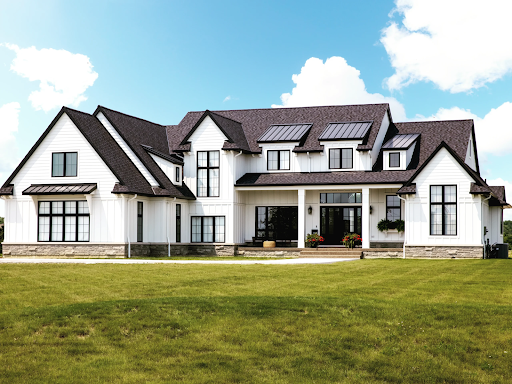
Building a home from the ground up is one of the most rewarding experiences for homeowners who want a residence tailored specifically to their lifestyle and tastes. Choosing to work with Custom House Builders allows you to create a personalized living space rather than settling for a pre-designed layout. However, the custom home building process is detailed and can be complex. Understanding each step can help you make informed decisions, avoid delays, and stay on budget.
Here’s a comprehensive step-by-step guide to working with a custom house builder, from initial planning to moving into your dream home.
1. Initial Planning and Research
Before selecting a builder or starting design work, homeowners should define their goals. Consider the size of the home, number of rooms, layout style, preferred location, and overall budget. It’s also essential to research local Custom House Builders with strong reputations, client testimonials, and a portfolio of completed homes that match your vision.
This is also the phase to identify your financing options. Speak with lenders who specialize in construction loans and determine how much you can realistically afford. Having your finances pre-approved will help streamline the process later.
2. Choosing the Right Custom House Builder
Once you’ve gathered your ideas and set a budget, the next step is to find a builder who aligns with your goals. Look for Custom House Builders with extensive experience in your area, transparent communication, and a solid track record for staying on schedule and within budget.
It’s important to interview potential builders, ask for references, visit previous builds, and ensure they are fully licensed and insured. A good builder will help translate your ideas into practical designs, provide realistic timelines, and manage all technical aspects of the construction.
3. Design and Architectural Planning
With a builder selected, the design process begins. Most Custom House Builders either have in-house architects or partner with trusted designers. This stage involves creating architectural drawings and floor plans based on your needs and preferences. You’ll collaborate closely with the builder and architect to finalize the layout, number of rooms, exterior aesthetics, interior design elements, and special features.
Once the plans are ready, they will be submitted for permits and local approvals. During this period, your builder will also prepare detailed cost estimates.
4. Budgeting and Contract Signing
After finalizing the design and obtaining necessary permits, your builder will present a comprehensive quote. This includes all construction costs, materials, labor, and a timeline. Review this carefully to ensure it aligns with your expectations and financial plan.
Once you approve the estimate, both parties will sign a construction contract. This legally binding agreement should outline the scope of work, project milestones, payment schedule, warranties, and dispute resolution terms.
5. Pre-Construction Preparation
Before breaking ground, your builder will conduct a pre-construction walkthrough with you. This includes reviewing the blueprints, making any final adjustments, and confirming selections for materials like flooring, cabinets, and finishes.
At this stage, site preparation begins. This can include land clearing, grading, and setting up utilities. Your builder will also order materials and schedule subcontractors.
6. Construction Phase
The construction phase typically occurs in stages:
- Foundation and Framing: The lot is excavated, the foundation is poured, and the framing of the house is erected.
- Rough-Ins: Electrical wiring, plumbing, HVAC systems, and insulation are installed.
- Interior and Exterior Finishes: Drywall, flooring, cabinetry, paint, windows, doors, and exterior siding are added.
- Fixtures and Final Touches: Lighting, appliances, and bathroom fixtures are installed.
Throughout this phase, your builder should provide regular updates and walkthroughs so you can monitor progress and address any concerns promptly.
7. Inspections and Final Walkthrough
Local authorities will perform inspections at various stages of the construction to ensure code compliance. Once construction is complete, a final inspection is conducted for occupancy approval.
Your builder will also perform a final walkthrough with you. This is your chance to note any touch-ups or corrections needed. Reputable Custom House Builders will provide a punch list of items to resolve before closing the project.
8. Move-In and Post-Construction Support
After passing all inspections and receiving the certificate of occupancy, you can move into your new home. Most Custom House Builders offer a warranty period covering structural elements and workmanship. Be sure to document any issues and address them within the warranty period.
Some builders also provide manuals, maintenance schedules, and post-construction services to help you settle in smoothly.
Conclusion
The journey of building a home with Custom House Builders is one filled with creative choices, technical steps, and meaningful milestones. While the process requires time, patience, and collaboration, the result is a home that truly reflects your personality and lifestyle. Whether you’re just starting to explore custom building or ready to break ground, understanding the step-by-step process empowers you to make confident, informed decisions. For homeowners seeking unique, tailored living spaces in Canada, the path to Custom Homes in Ontario begins with the right builder by your side.


