Maintaining a car’s paintwork in good condition is not always easy, especially in unpredictable driving conditions. Loose gravel, packed parking lots, bright sun, dust, and bird droppings can all take a toll on a car’s exterior. It’s easy to clean and normal washing will keep it looking good but many car owners want a bit of extra protection to help avoid everyday wear.
Two possibilities that can arise during the search are paint protection film and borophene coating. Both are sold for automotive surface care, but they function differently and should not be considered as interchangeable solutions. Knowing their function, limitations and service needs can help you choose the right one for your vehicle.
What Is Paint Protection Film?
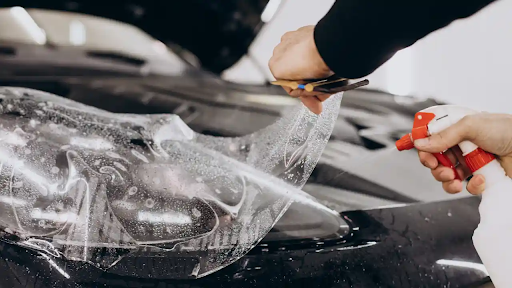
PPF (paint protection film) is a clear film that is installed on the painted panels of a vehicle. TPU: Many of the latest films are made of thermoplastic polyurethane. This is a flexible material aimed at helping absorb minor impacts and resist everyday abrasion.
Unlike liquid coatings, PPF creates a physical barrier between the paint and the outside hazards. It is especially useful in areas that are regularly exposed to road debris, like the front bumper, bonnet, side mirrors, and door edges.
The topcoats of some high-performance films are self-healing and can minimize the appearance of small surface defects under the right conditions. However, the film is not invulnerable. Deep cuts, serious impacts, and damage that pierces the film can still affect the paint underneath.
What Is Borophene Coating?
Borophene is a two-dimensional material made from boron atoms arranged in a thin structure. It has attracted scientific interest because of its unusual physical properties. In automotive detailing, the term “borophene coating” is used for certain products marketed around boron-based technology.
The important point is that products sold under this name may differ in formulation. Their actual composition, performance, and supporting test evidence should be checked with the manufacturer rather than assumed from the label alone.
Depending on the formulation, a liquid coating may be designed to improve gloss, encourage water repellency, and make certain contaminants easier to remove. However, a typical liquid coating forms a thin surface layer and should not automatically be considered protection against stone chips or deeper scratches.
Paint Protection Film vs Borophene Coating: Key Differences
1. Physical safeguards
The biggest difference between the two products is how they respond to everyday dangers. The PPF layer absorbs impacts from small stones and reduces abrasion. This is a good option if you drive on highways or on gravel roads.
The liquid coating provides surface-care benefits, not impact-absorbing protection. If stone chip protection is a priority, then PPF is best.
2. Looks, Waterproofness
Coatings are frequently used to provide gloss and water resistance. This can help to wash and get some dirt off more easily.
Paint protection film is available in matte and gloss. Stain-resistant topcoats improve the behavior of water on some films. Buyers should compare specifications and not assume that all films and coatings perform equally.
3. Maintenance and Longevity
There is no maintenance-free option. It is necessary to clean and inspect PPF, especially the panel edges. If the film breaks or peels up, you may need to seek professional help.
The life of the coating depends on chemistry, application, driving conditions, and aftercare. Claims about multi-year performance should be weighed against warranty terms and maintenance instructions.
In both cases the finish is maintained through regular washing with automotive products.
4. Price & Coverage
The cost of PPF will vary depending on the vehicle, the quality of the film, the difficulty of installation, and the area to be covered. Can protect the entire body or high-impact panels.
The cost of coating is dependent on the product, surface prep, and application. Coatings can be a good solution for painted surfaces but are not a cost-effective solution for impact protection compared to PPF.
“Compare quotes and package contents carefully.
Can You Combine Them?
Yes. Sometimes. The car owner can apply PPF to vulnerable panels and a compatible coating to the film or other painted areas. This approach could be combined with a physical barrier and surface care benefits.
But there has to be compatibility. Make sure the coating is approved for use over the particular film and that the combination will not void the warranty on either.
Which Option Should You Pick?
The right choice depends on how you use your car and what you want to protect against it. If your main concerns are stone chips, minor impacts, and road abrasion, paint protection film is usually the stronger option. If your primary concerns are gloss, water repellency, and easier cleaning, then you might want to consider a coating after reviewing its technical documentation.
A lot of owners like to use both products in tandem to get a balanced approach. The trick is to buy on proven performance, not just marketing claims.
Conclusion
Borophene coating and paint protection film are two different things. PPF provides a physical barrier to certain forms of everyday damage, whereas a coating is typically intended to improve surface properties and make maintenance easier.
Ask for clear product specifications, realistic warranty details, and advice from an experienced installer before you invest. You’ll be better able to protect your car’s appearance if you know what each product can and cannot do.