
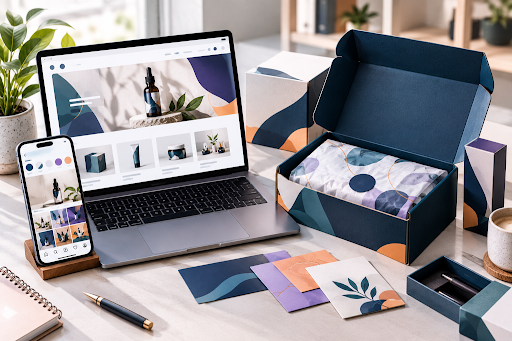
A strong digital presence can help a business get discovered, but getting noticed is only the beginning of building a memorable brand. Customers interact with businesses through search results, social media posts, websites, advertisements, emails, and eventually the products they receive. When these experiences feel connected, a brand becomes easier to recognize and remember. This is why businesses should look beyond digital channels alone and consider how physical product experiences can reinforce the identity they have built online.
Packaging as an Extension of Brand Identity
Packaging is often treated as a practical part of selling a product, but it can also function as a powerful branding tool. The colors, typography, imagery, materials, and overall structure of a package can communicate the same personality that customers see across a brand’s digital platforms. When these visual elements remain consistent, customers can make a stronger connection between the product in their hands and the brand they discovered online.
For growing businesses, Custom Retail Boxes can help bring this consistency into the physical customer experience. A professionally designed box can showcase recognizable brand elements while presenting the product in a way that feels intentional and valuable. Instead of being just a container, the package becomes another point where customers interact with the brand.
Why Digital and Physical Branding Should Work Together
Digital marketing gives businesses countless opportunities to introduce their brands to potential customers. Search engine optimization can increase visibility in search results, social media can encourage engagement, and paid advertising can place products in front of highly targeted audiences. However, these digital interactions may have limited long-term impact if the physical product experience does not match the expectations created by the marketing. Strategic packaging helps close that gap. A customer who discovers a product through Instagram, Google, or an online advertisement should ideally experience the same brand personality when the product arrives. Consistent branding across digital and physical touchpoints can make the overall customer journey feel more professional and trustworthy.
Turning the Unboxing Experience Into Marketing
One of the biggest advantages of thoughtful packaging is its ability to extend the customer experience beyond the purchase. An attractive and well-presented package can make an ordinary delivery feel more engaging, giving customers another reason to interact with the brand. This is particularly valuable in the age of social media. Customers frequently share interesting purchases, unboxing experiences, and product recommendations online. Packaging that looks distinctive can encourage organic content such as photographs, videos, stories, and reviews. These customer-generated interactions can introduce a brand to new audiences without requiring another traditional advertising campaign. The result is a marketing cycle in which digital promotion drives the initial purchase, packaging strengthens the physical experience, and that experience can potentially generate further digital engagement.
Packaging Can Reinforce Brand Recognition
Brand recognition develops through repeated exposure to consistent visual and messaging elements. While businesses often focus on maintaining consistency across websites and social platforms, packaging provides another opportunity to reinforce those same signals. A recognizable package can remind customers where they purchased the product and make future interactions with the brand easier to remember. Over time, this repeated exposure can contribute to stronger brand familiarity and help businesses differentiate themselves in competitive markets.
Connecting Packaging With Social Media Marketing
Social media has changed the way customers discover and evaluate products. A brand can attract attention through a short video, influencer recommendation, sponsored post, or customer review, but the physical product still needs to deliver an experience that matches the expectations created online. Strategic packaging can help businesses maintain that connection after the customer moves from a digital platform to a physical product. Visually appealing packaging can also become valuable social media content. A distinctive box, creative opening experience, or carefully presented product can encourage customers to take photographs and videos. When those moments are shared publicly, packaging becomes part of the brand’s organic marketing rather than remaining a background element of the purchase.
Creating More Opportunities for Customer Engagement
Marketing is no longer limited to convincing someone to make a purchase. Modern brands also focus on creating interactions that keep customers connected after the sale. Packaging can support this objective by giving businesses a physical space to communicate directly with buyers. A package can include brand messaging, social media handles, website information, QR codes, product-care guidance, or a simple invitation to share feedback. These elements can encourage customers to take another digital action after receiving their order. A customer who scans a QR code to explore a brand’s website or follows its social profile has moved from a physical interaction back into the digital marketing funnel. This creates a valuable connection between offline and online experiences. Instead of treating packaging and digital marketing as separate activities, businesses can use both to guide customers through a more connected brand journey.
Building Trust Through Professional Presentation
Trust plays an important role in digital marketing because customers often encounter businesses before they have any physical experience with their products. A professional website and strong social media presence can create a positive first impression, but customers ultimately judge whether the actual product experience matches those expectations.
Packaging can reinforce that trust by demonstrating attention to detail. A secure, well-structured, and professionally presented package suggests that a business takes its products and customers seriously. For newer brands competing against established companies, this physical presentation can be especially useful for creating a more credible and polished image.
When customers receive an experience that matches the quality promised through digital marketing, they are more likely to feel confident about their purchase.
Supporting Customer Loyalty and Repeat Purchases
The relationship between a brand and its customer does not have to end when an order is delivered. A positive packaging experience can contribute to the overall satisfaction that influences whether customers return to the same business. Brands can use packaging to reinforce their identity and remind customers of the value they received. Consistent design across multiple orders can make the brand increasingly familiar, while thoughtful details can make customers feel that the business has paid attention to their experience. This matters because repeat customers can become an important part of a company’s long-term marketing strategy. Satisfied customers may purchase again, recommend products to others, leave positive reviews, or share their experiences online. In this way, packaging can indirectly support several marketing outcomes at once.
Making Packaging Part of a Measurable Marketing Strategy
For packaging to become a meaningful marketing asset, businesses should think beyond aesthetics. The goal should be to connect packaging with measurable customer actions and broader marketing objectives. For example, a brand can use a unique QR code on its packaging to direct customers to a landing page, product guide, loyalty program, or social media campaign. Businesses can then monitor visits and engagement to understand whether the packaging is contributing to digital activity. This approach transforms packaging from a purely physical expense into a strategic marketing touchpoint. When businesses intentionally connect the package with their digital channels, every delivered product can create another opportunity to strengthen brand awareness and customer relationships.
Using Packaging to Create a More Memorable Brand Experience
A successful brand is built through many small interactions rather than a single marketing campaign. Every advertisement, social media post, website visit, purchase, and delivery contributes to how customers perceive a business. Packaging gives brands another opportunity to make that perception stronger. The most effective approach is to design packaging with the same strategic thinking used for digital marketing. Instead of asking only whether a package looks attractive, businesses should consider what the package communicates, how it reflects the brand, and what action it can encourage from the customer. This mindset can turn an ordinary delivery into a meaningful brand interaction.
Aligning Packaging With the Customer Journey
Customers may encounter a brand several times before deciding to purchase. They might first discover it through a Google search, see a social media advertisement later, visit the website, read reviews, and finally place an order. Each stage shapes their expectations. Packaging represents one of the final stages of this journey, so it should reinforce everything the customer has already seen. Consistent colors, logos, messaging, and design elements can create a seamless transition from online discovery to physical ownership.
When the experience feels connected from beginning to end, customers are more likely to recognize the brand and develop a stronger impression of its professionalism.
Designing Packaging With Marketing Goals in Mind
Businesses do not need complicated packaging strategies to create meaningful results. Even simple decisions can support broader marketing goals. A brand might focus on creating a recognizable visual style, encouraging social sharing, directing customers toward its online community, or using packaging to communicate a clear brand message. The key is to ensure that packaging serves a purpose beyond holding the product. Every design element should contribute to the experience while remaining practical and appropriate for the product and target audience. Businesses can also experiment with different approaches and monitor customer responses. Social engagement, website visits from packaging-related campaigns, customer reviews, repeat purchases, and user-generated content can provide useful indicators of whether the strategy is working.
Why Strategic Packaging Matters for Growing Brands
For smaller and emerging businesses, competing for attention online can be challenging. Large companies often have greater advertising budgets and established audiences, making differentiation increasingly important. Strategic Custom Packaging Boxes offers another way for smaller brands to create a distinctive impression without relying entirely on paid promotion. A memorable package can help a product stand out when customers receive it, encourage sharing, and reinforce the brand identity that customers have already encountered online. Over time, these repeated experiences can contribute to stronger recognition and loyalty. Packaging therefore should not be viewed simply as the final step before a product reaches the customer. It can be an active part of the brand-building process.
The Future of Integrated Brand Marketing
As digital and physical customer experiences continue to overlap, businesses will have more opportunities to connect packaging with their wider marketing strategies. QR technology, personalized experiences, social campaigns, loyalty programs, and data-driven customer engagement can all make packaging more interactive. The strongest brands will be those that understand every customer touchpoint has marketing potential. By aligning packaging with digital branding, businesses can create a consistent experience that continues from the first online interaction to the moment a customer opens the package. Ultimately, strategic packaging is not just about making a product look better. It is about creating a recognizable, engaging, and memorable brand experience. When packaging works alongside SEO, social media, content marketing, and other digital channels, it can become a valuable extension of the brand and a powerful part of a long-term marketing strategy.
Frequently Asked Questions
1. How can packaging support a digital marketing strategy?
Packaging can extend digital marketing by reinforcing brand identity, encouraging social sharing, promoting websites or social profiles, and creating additional customer touchpoints after a purchase.
2. Why is brand consistency important across packaging and digital platforms?
Consistent colors, logos, typography, and messaging can make a brand easier to recognize and help customers connect their online experiences with the physical products they receive.
3. Can packaging generate social media engagement?
Yes. Attractive or distinctive packaging can encourage customers to share unboxing photos, videos, reviews, and other user-generated content on social media.
4. How can businesses connect packaging with online marketing?
Businesses can add QR codes, social media handles, website information, loyalty-program details, or campaign-specific messages to packaging to encourage customers to continue interacting online.
5. Does packaging influence customer loyalty?
Packaging contributes to the overall customer experience. A professional and memorable presentation can strengthen satisfaction and brand recognition, which may support repeat purchases and recommendations.
6. How can small businesses use packaging for branding?
Small businesses can use consistent visual elements, memorable designs, brand messaging, and interactive features to make packaging another recognizable part of their overall marketing strategy.
7. Can packaging help build brand recognition?
Yes. Repeated exposure to recognizable packaging can reinforce a company’s visual identity and make its products easier for customers to identify and remember.
8. Should packaging be included in a company’s marketing strategy?
For product-based businesses, packaging can be a valuable part of the wider marketing strategy because it connects digital promotion with the customer’s physical experience and creates another opportunity for brand engagement.