
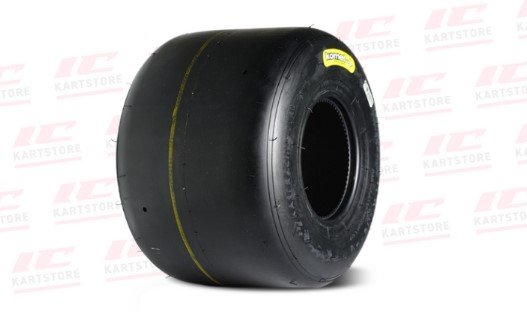
When it comes to competitive karting, kart tyres are one of the most crucial factors influencing speed, grip, and overall performance. Every driver knows that engines, chassis, and aerodynamics matter, but tyres are the only part of the kart that actually touch the track. That makes tread design, compound, and structure essential to how karts handle across varying formats. Whether you are racing in sprint, endurance, or indoor circuits, understanding how tyre tread patterns work can give you an edge and help you make smarter choices for better lap times.
Why Tyre Tread Matters In Karting
Tyre tread patterns are carefully engineered to manage traction, water dispersion, heat buildup, and wear resistance. In dry conditions, slick tyres without treads maximise the contact patch, ensuring that rubber sticks firmly to the track. However, in wet or mixed conditions, tread grooves are necessary to channel water away from the surface, reducing hydroplaning risks. For kart racers, choosing the wrong tyre type can completely change the outcome of a race.
Kart tyres are generally smaller than standard automobile tyres, but their tread design is no less advanced. Manufacturers test multiple patterns under track simulations to achieve the perfect balance of speed and safety. This ensures that racers are not only fast but also maintain stability under extreme cornering and braking forces.
Tread Patterns For Sprint Kart Racing
Sprint karting involves short, high-intensity races on closed circuits with sharp turns and varied track surfaces. In these scenarios, drivers often rely on slicks for dry conditions to maximise grip. However, when the weather changes, treaded rain tyres become essential. These tyres feature deep grooves angled to cut through standing water. The design ensures that the tyre maintains contact with the tarmac even at high speeds.
Additionally, sprint racers need tyres with soft compounds to heat up quickly and deliver instant grip. While this results in faster wear, it is ideal for short races where maximum traction outweighs long-term durability.
Tread Considerations For Endurance Karting
Endurance karting formats demand tyres that last longer and perform consistently over extended races. Here, medium or hard compounds with balanced tread patterns are preferred. Unlike sprint racing, where grip peaks early, endurance races require tyres that don’t overheat or degrade quickly.
Tread designs for endurance tyres are often shallower, ensuring slower wear rates while still providing adequate grip. Racers in endurance events must also consider track conditions across several hours, meaning they may need a tyre that performs reasonably in both dry and slightly damp conditions.
Indoor Kart Tyre Design
Indoor karting usually takes place on polished concrete or specially prepared surfaces, where traditional tread patterns might not be as effective. Here, slick tyres dominate since water is rarely a factor indoors. The focus shifts toward compounds that provide optimal grip without excessive wear on the smooth surface.
Manufacturers often design indoor kart tyres with micro-patterns or minimal grooving to balance grip and durability. These subtle adjustments help avoid overheating during long indoor sessions where airflow is limited.
The Role Of Weather And Track Surface
Weather is perhaps the single most important factor when selecting kart tyres. Dry-weather slicks are unbeatable in hot, dry races but become dangerous when tracks get wet. Rain tyres, with their deeper grooves, shine in damp conditions but can overheat quickly if the surface dries out.
Similarly, track surfaces dictate tread design efficiency. Rougher asphalt requires tyres that resist tearing, while smoother tracks allow for softer compounds that provide higher levels of grip. Understanding how your tyres interact with the track is critical for performance.
Heat Management And Tread Wear
Every tyre generates heat through friction. In karting, managing that heat determines how long a tyre maintains peak performance. Excessive tread wear often comes from overheating, which causes rubber to degrade faster. Different tread patterns affect how heat spreads across the tyre’s surface. Slicks distribute heat evenly, while grooved tyres may concentrate stress in certain areas, influencing wear rates.
Racers must monitor tyre temperature carefully and adapt driving style to prolong tyre life. Smooth steering inputs, controlled braking, and consistent cornering can all reduce unnecessary strain on the tyres.
Innovations In Tyre Technology
Modern kart tyres are benefiting from innovations originally developed for motorsports and automobiles. Advanced rubber compounds, new tread geometries, and even bio-based materials are being introduced. Some manufacturers are experimenting with hybrid tread designs that combine the benefits of slicks and grooved tyres, offering flexibility across multiple track conditions.
In addition, data-driven testing is becoming more common. Engineers analyse tread wear patterns using high-resolution sensors, helping racers fine-tune setups for maximum efficiency.
Practical Tips For Racers Choosing Tyres
- Know your format – Sprint, endurance, and indoor karting all demand different tyre properties.
- Monitor weather forecasts – Always bring both slick and rain tyres to competitions.
- Check regulations – Some karting leagues mandate specific tyre brands or types.
- Balance grip and durability – Softer tyres may be faster, but harder compounds often win longer races.
- Learn from wear patterns – Examine used tyres to understand how your driving style affects performance.
Conclusion
In the world of karting, tyres aren’t just a piece of rubber—they’re a science. The tread patterns, compounds, and design of kart tyres directly shape how a kart performs across different formats. Understanding this science helps racers make informed choices, adapt to varying conditions, and ultimately secure better results on the track.
For those looking to gear up properly, IC Kartstore offers expertise and access to professional-grade racing equipment. And if you’re planning to stock up on gear beyond tyres, exploring a trusted kart racing shop ensures you’re always prepared for the demands of competition.