When embarking on a construction project, ensuring a secure and safe working environment is crucial for both workers and the community. Whether you are overseeing a residential, commercial, or industrial build in Adelaide, site inspections play a vital role in minimising risks and preventing accidents. Understanding the importance of safety in Adelaide is essential for maintaining a secure construction site and ensuring compliance with local laws and regulations.
In this blog, we’ll discuss some essential site inspection tips to help you maintain safety in Adelaide on your construction site, covering everything from conducting a safety audit to implementing occupational health and safety protocols. By the end, you’ll have a clearer understanding of how to approach safety inspections and take proactive measures to safeguard your project.
Understanding the Importance of Safety Inspections in Construction
A construction site is inherently full of risks. From heavy machinery and high-rise scaffolding to power tools and hazardous materials, there are multiple dangers that workers and others on-site may face. That’s why regular safety inspections are a necessity.
Key Elements of a Safety Inspection
1. Risk Identification and Hazard Assessment
The first step in any safety audit or inspection is to identify potential hazards on the site. This includes a thorough examination of all physical elements like machinery, scaffolding, tools, and building materials. Additionally, environmental factors such as the weather, the proximity of the site to other buildings or roads, and the presence of hazardous substances should be considered.
2. Evaluate Occupational Health and Safety Protocols
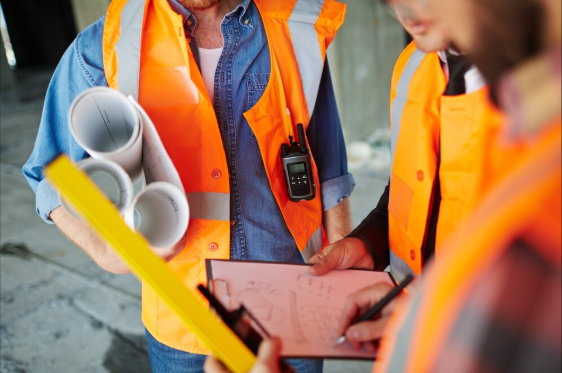
In Adelaide, the importance of occupational health and safety (OHS) cannot be overstated. Workers should be provided with protective equipment such as hard hats, safety boots, gloves, and eye protection. Additionally, employers must ensure that workers are trained in using the equipment safely and that there are measures in place to prevent exposure to harmful materials like asbestos or toxic fumes.
3. Site Accessibility and Organisation
A well-organised site is crucial to maintaining safety in Adelaide. Ensuring that the layout of the construction site is optimised for easy access to all areas, including emergency exits, is an essential component of site inspection. Pathways should be clear of obstacles, and materials should be stored in a way that doesn’t obstruct the movement of workers or vehicles.
4. Assessing the Machinery and Equipment
Heavy machinery is an essential part of most construction projects, but it also presents several safety challenges. Equipment like cranes, bulldozers, and forklifts must be checked for proper functionality and regular maintenance. During a safety inspection, machinery should be examined for any signs of wear or malfunction, including oil leaks, broken safety features, or malfunctioning parts.
Regular equipment checks should be carried out to ensure that all machinery is operating correctly, and workers must be adequately trained to handle them. Additionally, adelaide safety regulations may require specific maintenance logs or records to be kept for heavy equipment.
5. Emergency Preparedness and Response Plans
Emergencies can happen at any time, and being prepared for them can save lives. A key element of a safety audit is ensuring that the construction site has an up-to-date emergency preparedness plan in place. The plan should address potential emergencies, such as fires, chemical spills, accidents, or medical emergencies, and provide clear instructions on how to respond.
Best Practices for Conducting a Safety Inspection
1. Conduct Regular Inspections
Safety inspections should not be a one-off event; they should be conducted regularly to ensure that new hazards are identified and addressed promptly. Inspections should occur at the start of the project, during critical stages, and at regular intervals throughout the build. Routine safety checks help identify any issues before they escalate, allowing for quick remediation.
2. Involve All Relevant Stakeholders
A successful safety audit isn’t just the responsibility of the safety officer or the project manager. It’s important to involve all relevant stakeholders in the inspection process. This includes workers, subcontractors, and even the project owner. When everyone on the site is trained and engaged in safety practices, it’s easier to identify hazards and make improvements.
3. Documentation and Reporting
Accurate documentation is a vital part of the safety inspection process. Every inspection should be recorded, detailing the potential hazards identified, the corrective actions taken, and any other relevant findings. Keeping detailed reports will not only help with compliance but will also serve as a reference point for future inspections and audits.
4. Focus on Worker Training and Awareness
One of the most effective ways to ensure safety in Adelaide is to make sure that workers are well-trained and aware of the risks present on the site. Workers should be trained on the proper use of equipment, emergency procedures, and how to spot hazards. Safety training should be an ongoing process, with periodic refresher courses to ensure that workers are always up-to-date on safety protocols.
5. Work with a Safety Consultant or Expert
If you’re unsure about how to perform a comprehensive safety audit or require assistance in understanding local regulations, it’s a good idea to work with a safety consultant or expert. These professionals are well-versed in occupational health and safety regulations and can provide invaluable advice on improving the overall safety of your construction site.
Conclusion
Incorporating safety into every aspect of your construction project is essential for protecting workers, meeting legal requirements, and ensuring the success of the project. By focusing on regular site inspections, addressing potential hazards, and ensuring proper training and equipment, you can maintain a high level of safety Adelaide.