
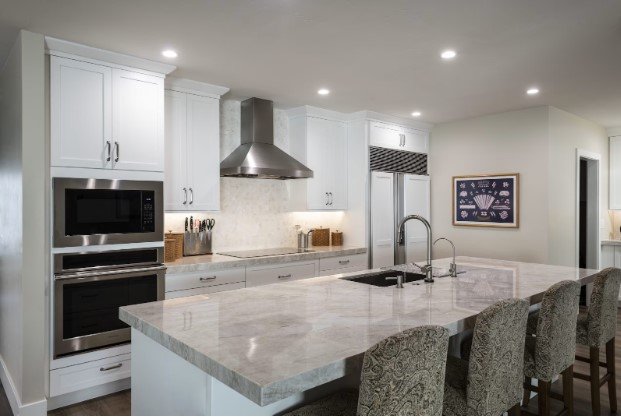
When it comes to designing a modern kitchen, hygiene and durability go hand in hand. Surfaces that come into daily contact with food must be easy to clean, resistant to stains, and able to withstand regular use without losing their quality. Among the many materials available, one stands out for its non-porous structure and aesthetic appeal—kitchen worktops quartz.
Why Non-Porous Surfaces Are Essential
A non-porous surface does not absorb liquids, bacteria, or other contaminants. In kitchens, this quality is vital because raw meat juices, oils, and everyday spills can quickly seep into porous surfaces, creating potential health risks. Porous materials like natural wood or unsealed stone can harbour harmful bacteria even after cleaning, making them less suitable for spaces where food is prepared. Quartz, on the other hand, is engineered to be non-porous, giving it a significant advantage for hygiene.
The Hygienic Benefits Of Kitchen Worktops Quartz
Resistance To Bacteria
One of the most important benefits of quartz is its ability to resist bacterial growth. Since the surface does not allow liquids or food particles to penetrate, it eliminates the hidden spots where bacteria and mould can thrive. This makes kitchen worktops quartz a safe choice for families with children, professional chefs, or anyone who prioritises a clean cooking environment.
Easy Cleaning And Maintenance
Quartz is exceptionally easy to clean compared to many natural stone options. A simple wipe with mild soap and warm water is usually enough to keep the surface spotless. Unlike porous materials that require frequent sealing treatments to maintain hygiene, quartz retains its protective qualities without additional maintenance. This ease of care means homeowners can enjoy both a hygienic and hassle-free kitchen.
Stain Resistance
Kitchens are prone to spills, from coffee and wine to sauces and oils. On porous surfaces, these spills often leave permanent stains, but quartz resists such blemishes. With kitchen worktops quartz, stains remain on the surface rather than being absorbed, making them easy to wipe away. This property ensures long-term cleanliness and preserves the countertop’s polished look.
Durability And Longevity
Hygiene in the kitchen is closely linked to durability. A material that chips, cracks, or erodes quickly can develop crevices that trap dirt and bacteria. Quartz is renowned for its toughness, withstanding daily wear and tear without losing structural integrity. It is more resilient than many natural stones, offering both beauty and strength for years to come.
Aesthetic Versatility With Hygiene
While hygiene may be the primary reason to choose quartz, its design flexibility makes it even more appealing. Quartz countertops are available in a wide variety of colours, patterns, and finishes. Homeowners can achieve the luxurious look of marble, the earthy feel of granite, or a sleek modern style—all without compromising on hygiene. The ability to combine aesthetics with practicality is a key reason why so many people choose quartz kitchen worktops.
Comparisons With Other Materials
Quartz Vs. Granite
Granite, though durable, is naturally porous and requires sealing to remain hygienic. If not properly maintained, granite surfaces can harbour bacteria and stains. Quartz eliminates this issue entirely due to its non-porous design.
Quartz Vs. Laminate
Laminate surfaces are cost-effective but prone to scratches and water damage over time. Once the surface wears down, it becomes harder to keep clean. Quartz offers superior resistance to both scratches and moisture.
Quartz Vs. Solid Wood
Wood can bring warmth to a kitchen, but it is one of the most porous materials available. It absorbs liquids easily and can warp or stain, making it difficult to maintain a truly hygienic surface. Quartz provides the same visual warmth through design choices without the hygiene drawbacks.
Why Hygiene Matters More Than Ever
With increased awareness of foodborne illnesses and the importance of sanitisation, kitchens are being designed with hygiene at the forefront. Families are spending more time cooking at home, and homeowners want surfaces they can trust. Non-porous options like quartz offer peace of mind by minimising hidden risks and making cleaning easier.
Long-Term Value Of Quartz Worktops
Investing in quartz may come with a higher initial cost compared to other materials, but the benefits in hygiene, durability, and maintenance savings make it a cost-effective choice in the long run. Unlike surfaces that require regular upkeep or replacement, quartz maintains its appearance and protective qualities for decades. For homeowners, this means both a cleaner kitchen and lasting value.
Conclusion
Choosing the right countertop goes beyond aesthetics; it’s also about creating a safe, hygienic environment for food preparation. Non-porous materials like kitchen worktops quartz prevent bacteria buildup, resist stains, and ensure easy cleaning, making them one of the most practical choices for modern kitchens. Their durability and wide design options further add to their appeal, blending style with functionality. For homeowners seeking trusted installation options, many providers now offer region-specific solutions such as quartz worktops in Romford, ensuring that the benefits of quartz are accessible to every household.


