
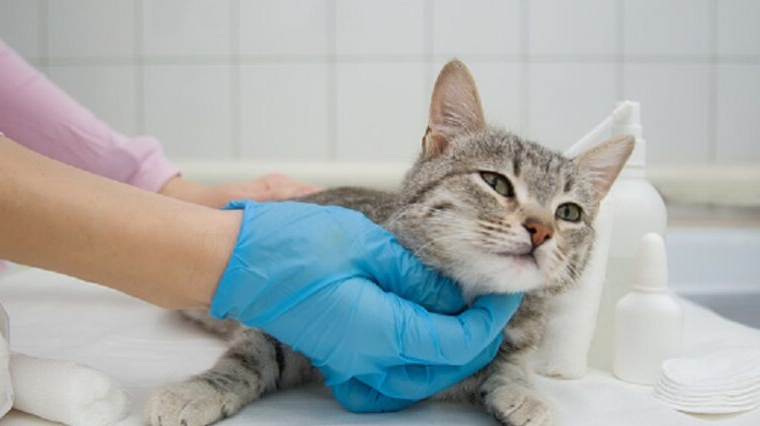
Caring for pets requires thoughtful decisions that support long-term health and wellbeing, and affordable neutering for cats is one of the most important steps in responsible ownership. Neutering helps prevent unwanted litters, reduces medical risks, and supports balanced behavior. When pet owners understand the process and its benefits, they are better equipped to provide proper care for their cats.
Neutering is a preventive veterinary procedure recommended worldwide. It supports both individual pet health and broader animal welfare goals. With professional veterinary care, the procedure is safe, routine, and beneficial for cats of all ages.
What Neutering Involves
Neutering is a surgical procedure that prevents reproduction in cats. The approach differs slightly between male and female cats, but the objective remains the same.
The procedure generally includes:
- Removal of testicles in male cats
- Removal of ovaries and usually the uterus in female cats
- Use of safe anesthesia under veterinary supervision
- Short surgical duration with controlled recovery
Veterinary professionals perform neutering using sterile techniques and modern equipment to ensure safety and comfort.
Importance of Population Control
Uncontrolled breeding contributes to rising stray populations and increased pressure on shelters and rescue groups. Neutering plays a direct role in addressing this challenge.
Key population benefits include:
- Fewer unwanted kittens
- Reduced strain on animal welfare resources
- Lower risk of abandonment
- Improved community animal management
By choosing neutering, pet owners actively support sustainable and ethical pet care.
Health Benefits for Cats
Neutering provides several long-term health advantages for both male and female cats. These benefits help prevent serious medical conditions later in life.
Health improvements include:
- Reduced risk of testicular cancer in male cats
- Lower chances of uterine infections in female cats
- Decreased risk of reproductive cancers
- Fewer hormone-related health complications
Preventive care through neutering often leads to reduced veterinary expenses over time.
Behavioral Improvements After Neutering
Behavioral changes are commonly observed after neutering, making cats easier to manage and more comfortable in home environments.
Common behavioral benefits include:
- Reduced aggression and territorial behavior
- Less spraying and marking in male cats
- Elimination of heat cycles in female cats
- Decreased roaming and escape attempts
These changes promote a calmer household and improved interaction between pets and owners.
Choosing the Right Age for Neutering
Veterinarians typically recommend neutering cats at a young age, although timing may vary depending on individual health factors.
General age considerations include:
- Most cats are neutered between four and six months
- Early neutering helps prevent unwanted behaviors
- Adult cats can also be safely neutered after evaluation
A veterinary consultation helps determine the most appropriate timing.
Preparing Cats for the Procedure
Proper preparation reduces risks and ensures a smooth surgical experience. Veterinary clinics guide owners through each step before the procedure.
Preparation usually involves:
- Short fasting period before surgery
- Pre-surgical health assessment
- Optional blood tests for older cats
- Review of medical history
These steps help ensure cats are fit for anesthesia and surgery.
The Surgical and Recovery Process
Modern neutering procedures are efficient and well managed. Veterinary teams monitor vital signs closely throughout surgery.
Post-surgery care typically includes:
- Pain management medication
- Monitoring incision sites
- Limiting activity during recovery
- Keeping cats indoors temporarily
Most cats recover quickly with proper care and supervision.
Recovery Timeline and Aftercare
Recovery time varies slightly depending on the cat’s gender and overall health. Male cats often recover faster than females.
Typical recovery expectations include:
- Normal appetite returning within a day
- Reduced activity for several days
- Full healing within one to two weeks
- Follow-up checks if recommended
Veterinarians provide clear aftercare instructions to support healing.
Cost Considerations and Accessibility
Many pet owners consider cost when planning neutering. Veterinary clinics offer structured pricing based on specific factors.
Pricing may depend on:
- Cat’s age and weight
- Gender of the cat
- Pre-existing health conditions
- Required medications or tests
Transparent pricing ensures owners understand costs without compromising care quality.
Importance of Professional Veterinary Services
Access to skilled veterinary care ensures neutering is performed safely and responsibly. Selecting a qualified neutering vet in Dubai provides assurance that the procedure meets professional and regional standards.
Dubai veterinary clinics are known for:
- Modern medical facilities
- Trained and experienced staff
- Strict hygiene and safety protocols
- Reliable post-operative support
Professional expertise plays a critical role in successful outcomes.
Community and Environmental Benefits
Neutering contributes positively beyond individual pets by supporting healthier communities.
Wider benefits include:
- Reduced stray animal populations
- Lower disease transmission risks
- Improved public safety
- Cleaner urban environments
Responsible pet care benefits both animals and society.
Nutrition and Weight Management After Neutering
Some cats may experience metabolic changes after neutering. Proper diet and activity help maintain healthy weight.
Veterinary guidance may include:
- Adjusted feeding portions
- Balanced nutrition plans
- Regular play and exercise
- Routine weight monitoring
These steps support long-term health and vitality.
Long-Term Wellbeing and Lifespan
Neutered cats often enjoy longer, healthier lives. Reduced roaming and fighting lower the risk of injuries and infections.
Benefits to longevity include:
- Fewer accidents and injuries
- Reduced stress levels
- Prevention of reproductive illnesses
Overall quality of life improves with preventive care.
Conclusion
Neutering supports physical health, emotional balance, and responsible pet ownership. With professional veterinary care, the procedure is safe, effective, and beneficial for cats at all life stages. Understanding the process and benefits helps owners make informed decisions that positively impact both pets and communities.
Making informed decisions about neutering reflects a long-term commitment to pet health and responsible ownership. When supported by professional veterinary care, the procedure helps prevent avoidable medical issues, reduces behavioral challenges, and supports a safer environment for both pets and communities. Consistent veterinary guidance, proper aftercare, and routine health monitoring further enhance the benefits of neutering. By prioritizing preventive care, pet owners can ensure their cats enjoy improved comfort, stability, and overall quality of life while supporting sustainable and ethical animal care practices over time.
For pet owners seeking compassionate care, experienced veterinary support, and clear guidance, Pet Point Veterinary Clinic provides professional neutering services alongside comprehensive pet healthcare. The clinic focuses on animal wellbeing, transparent communication, and quality standards to help cats live healthier and more comfortable lives.