
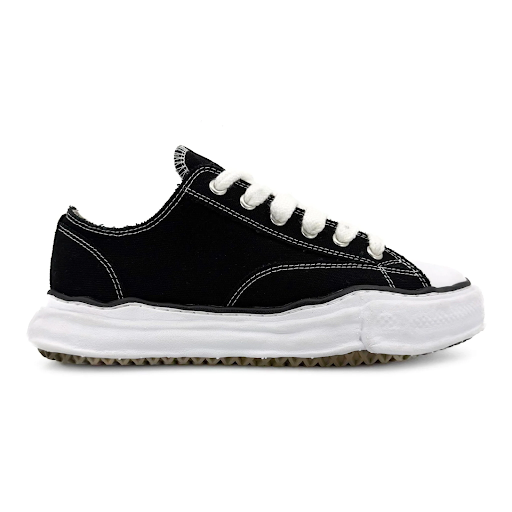
Sneaker design has evolved far beyond simple soles and uppers; it has become a canvas for artistic expression. Within that evolution, the work of Japanese designer Yasuhiro Mihara has stood out for its bold reinterpretations. Among his creations, Maison Mihara Yasuhiro’s sneakers are most recognizable by their sculptural, deconstructed soles, which fuse visual distortion with functional wearability. In the competitive world of designer footwear, this sole aesthetic has become a defining feature that signals both innovation and brand identity.
The Origins of the Signature Sole
Clay-Modelled Aesthetic Roots
One of the defining elements of these shoes is the hand-moulded look of the outsole. Rather than relying on conventional injection moulded soles, Mihara’s designs often simulate clay modelling or melting effects, giving the impression that the sole is organically shaped rather than machine-perfect. This visual imperfection is intentional, as it aligns with the brand’s embrace of deconstruction and irregular beauty. These models often come with signature deconstructed soles that stand apart from standard sneaker silhouettes.
Variants and Names
Over time, the brand has developed multiple sole styles, each with its own name and visual language. Terms like “OG sole,” “Original Sole,” and “clay-look” often accompany the collection names such as Peterson, Wayne, Hank, and Blakey. Each version applies the distorted, layered sole aesthetic with variations in texture, depth, and contour. The “OG sole” line, for example, features soles that appear cracked, warped, or uneven, as if melted or eroded over time, yet crafted intentionally for visual drama.
Key Design Features of the Sole
Layered Texture and Depth
Rather than a flat or uniform outsole, these soles display layered ridges, crevices, and gradients. This multi-dimensional texture creates shadows and visual depth, making each sneaker appear as though it is in process, part sculpture, part shoe. A wearer’s movement reveals shifting shadows and subtly changing lines across the sole surface.
Asymmetry and Imperfection
A hallmark of the sole design is its intentional asymmetry. The left and right sneakers may not be identical to each other exactly. Slight undulations, irregular edges, or erratic curves contribute to an imperfect but intentional aesthetic. This asymmetry aligns with the designer’s philosophy that perfection is sterile, and beauty arises through controlled distortion.
Contrast with Uppers and Integration
While the outsole often appears bold and volatile, the upper materials tend to be more restrained, using canvas, suede, leather, or mixed textiles. This contrast lets the sole remain the focal point. Yet the sole is not simply attached; its shape often integrates with the midsole and sidewalls, creating a flowing transition from the footbed to the ground.
How the Sole Affects Wear and Perception
Visual Impact Over Time
Because the forms are sculptural and uneven, they draw attention, even from a distance or in motion. The shoe becomes a statement piece. Over time, scuffs and wear add to the character of the sole, deepening the lived-in effect without appearing damaged. Many wearers view the evolving patina as part of the design itself.
Practical Considerations
Despite its artistic appearance, the sole must still perform. Maison Mihara Yasuhiro balances creative design with durability. The material used is typically high-quality rubber with abrasion resistance, ensuring that the exaggerated edges and textures do not degrade prematurely. Designers also consider tread and grip; the irregular edges do not compromise traction. In short, the sole is both form and function.
Brand Identity and Recognition
In streetwear and designer circles, the recognisability of the sole design helps reinforce brand identity. When someone sees a jagged, warped, artistic sole, it often evokes Mihara’s work immediately. That visual association, a sole that looks like molten clay or reversed mould, contributes to the brand’s cult status.
Artistic Philosophy Behind the Design
Imperfection as Aesthetic
At the heart of this sole concept is a rejection of perfect symmetry and polished minimalism. Mihara’s approach embraces what he calls “perfectly imperfect” designs that incorporate flaws, irregularities, and distortion as deliberate artistic choices. The sole becomes not only a functional base but also a visual exploration of time, change, and erosion.
Emotional and Conceptual Depth
By making the sole appear malleable and evolving, the design invites interpretation. Is it melting, eroded by time, or shaped by unseen forces? Each wearer brings new impressions to the form, creating a dialogue between the shoe and the observer. In this sense, the sneaker becomes more than footwear; it becomes wearable art.
Evolution and Collaborations
Over the years, these sole designs have been featured in collaborations as well. One notable example is the Amiri × Maison Mihara Yasuhiro collection, which incorporated the clay-moulded original sole aesthetic into collaborative sneaker models. These collaborations help the footprint of the signature sole expand beyond niche circles and into wider fashion recognition.
In addition, the brand’s various models, such as Wayne, Peterson, and Blakey, offer different takes on the sole motif. The Wayne series often emphasizes height and bulk, the Peterson models lean into cracked or distressed textures, and the Blakey designs incorporate more subtle distortions for a less aggressive statement.
Conclusion
The signature sole of Maison Mihara Yasuhiro sneakers is more than a visual quirk; it is a deliberate fusion of art, craft, and fashion. Through asymmetry, layering, texture, and malleable form, these soles challenge conventional sneaker aesthetics while maintaining daily usability and durability. That sculptural base, combined with conscious material choice and conceptual depth, defines the brand’s footwear identity. As fashion and sneaker culture continue to evolve, this form of creative sole design pushes boundaries, influencing not just wearers but also contemporaries. In that spirit, the bold visual language of these soles offers a counterpoint to mainstream designers of statement shoes, standing distinct from even premium models like Gucci sneakers with their own signatures.


